 FAST & FREE SHIPPING ON ALL ORDERS
 LIFETIME WARRANTY
 SHOP NOW, PAY LATER - ZERO INTEREST
 25% OFF - USE CODE: VIP

How to Pick Pendant Size for a Bold Look
A pendant can make a chain look custom, expensive, and fully intentional - or make the whole setup feel off-balance. Knowing how to pick pendant size comes down to more than choosing the design you like. The pendant has to work with your chain width, chain length, personal frame, and the level of impact you want when you walk into the room.
For a low-key everyday piece, smaller usually wins. For a Cuban link, rope chain, or iced-out look built to get noticed, you need enough size to hold its own. The right pendant does not disappear against the chain, pinch at the bail, or look like it was added as an afterthought.
How to Pick Pendant Size for Your Chain
Start with the chain. Its width is the fastest way to narrow down your pendant options because a wide, heavy chain needs more visual weight than a thin one.
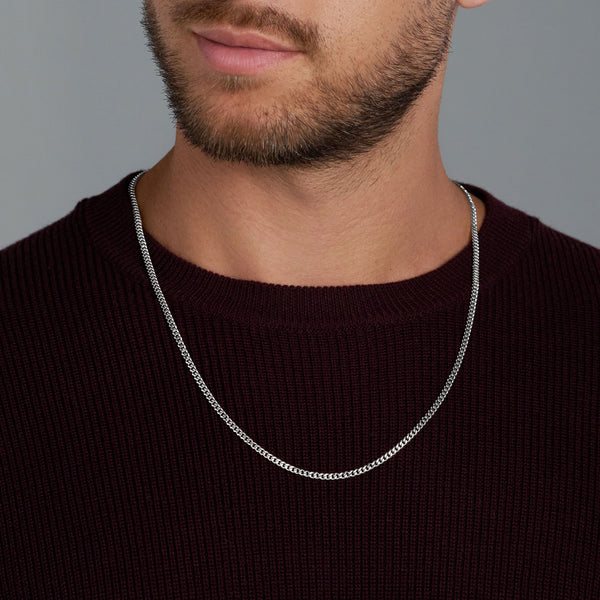
A pendant around 0.75 to 1.25 inches tall tends to look sharp on slim chains in the 2 mm to 4 mm range. Think fine rope chains, tennis chains, or a clean, understated curb chain. This range is ideal when you want a symbol, initial, cross, or small iced piece that adds detail without taking over your outfit.
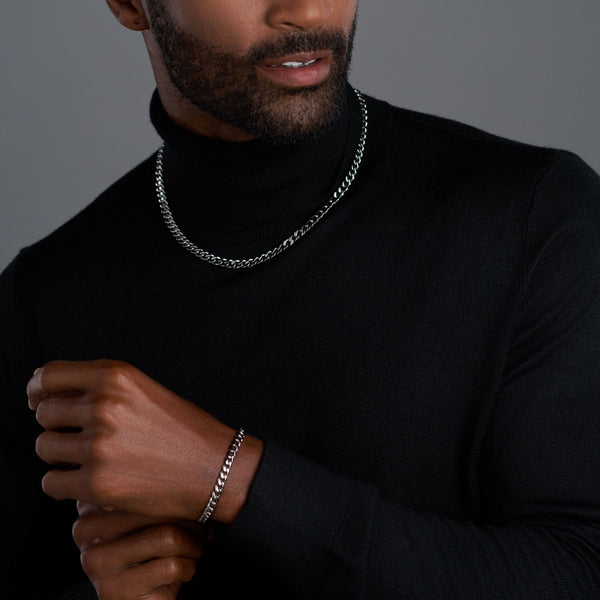
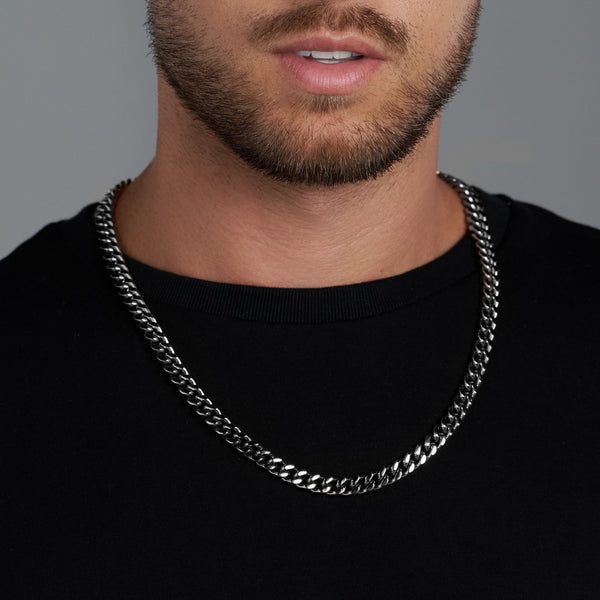
For chains between 4 mm and 7 mm, look for pendants roughly 1.25 to 2 inches tall. This is the sweet spot for most statement-ready fits. A medium pendant gives a Cuban, Franco, or rope chain a stronger center point while keeping the chain visible around it.
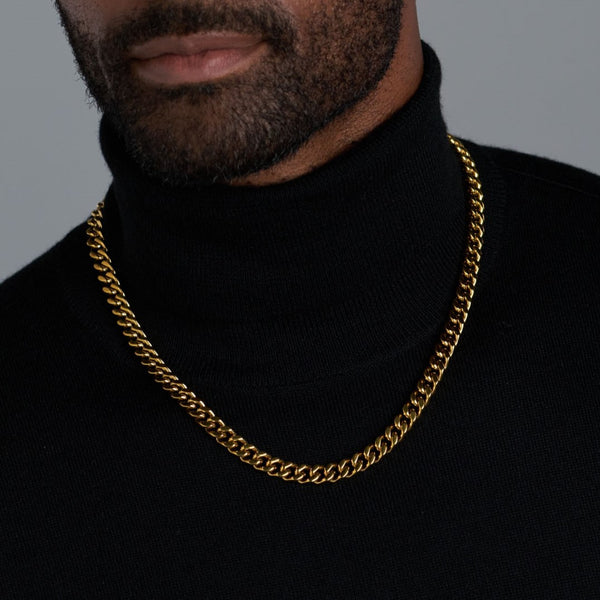
Once you are wearing an 8 mm to 12 mm Cuban link or another heavyweight chain, a pendant under 1.5 inches can look undersized. Go for a design around 2 to 3 inches tall, depending on its shape and how much ice, texture, or solid metal surface it has. Big links call for a pendant with real presence.
Width matters too. A long, narrow cross can wear larger than its measurements suggest, while a wide medallion takes up more space across the chest. Do not judge a pendant only by height. Look at the overall silhouette.
Check the Bail Before You Buy
The bail is the loop at the top of the pendant that slides onto the chain. It is a small detail with a major job. If the bail opening is too narrow, your chain will not fit. If it is dramatically oversized, the pendant can slide around, tilt forward, or look disconnected from the chain.
As a general rule, the bail’s inner opening should be slightly wider than your chain at its widest point. For a 6 mm Cuban link, a bail designed for 6 mm to 8 mm chains is usually a clean fit. If you plan to switch the pendant between several chains, choose one with a generously sized bail, but avoid a gap so large that it looks sloppy.
A matching metal tone keeps the setup polished. Gold on gold and silver on silver are easy wins, especially for a first pendant. Mixed metals can work, but it should look deliberate. A silver pendant on a gold chain is a style decision, not a default.
Choose Size Based on the Look You Want
There is no single best pendant size because every outfit asks for something different. The real question is whether you want a finishing touch or the main event.
For an everyday chain you wear with tees, button-downs, hoodies, or workwear, stay in the small-to-medium range. A pendant around 1 to 1.5 inches is easy to wear, easy to layer, and less likely to compete with prints, collars, or other accessories. It gives your chain personality without forcing the outfit in one direction.
For a bold streetwear or nightlife look, step up to a pendant in the 1.75- to 2.5-inch range. This is where detailed medallions, iced crosses, playing-card motifs, animal designs, and graphic symbols have room to hit. Pair one with a substantial chain so the necklace reads as one complete piece rather than a tiny charm hanging from a heavy link.
Oversized pendants can look elite when the proportions are right, but they are not automatically better. A 3-inch pendant on a narrow 3 mm chain can pull, flip, and overwhelm the chain. The same pendant on a thick Cuban or rope chain looks intentional and high-impact. Bigger needs support.
If you prefer a cleaner, fashion-forward look, choose a pendant with visual density instead of simply more inches. An iced design, polished medallion, or detailed raised texture may look larger than a flat, open pendant of the same size. That lets you get noticeable shine without going full oversized.
Match Pendant Size to Chain Length and Your Frame
Chain length changes how a pendant wears. A 20-inch chain places most pendants at the upper chest, where even a medium design becomes a focal point. At 24 inches, the pendant sits lower and has more room, so a larger size often looks more balanced.
Shorter chains, especially 18-inch to 20-inch styles, usually look best with small or medium pendants. A very large piece positioned high on the chest can feel crowded, particularly with a crewneck shirt. Longer 22-inch to 26-inch chains are made for larger pendants because the extra drop creates space between the neckline and the jewelry.
Your build can guide the decision, but it should never limit your style. Smaller pendants often look proportionate on a narrower frame, while medium and large pendants naturally fill more space on a broader chest. Still, confidence changes the equation. If you want an oversized iced pendant, wear it with the chain that supports it and make it the focus.
Try to think in complete outfits. A pendant that looks right over a plain black tee may need more scale over a heavyweight hoodie. A sleek pendant might be the better move with a fitted shirt, layered jacket, or a look that already includes a watch, bracelet, and rings.
Avoid the Most Common Pendant Sizing Mistakes
The first mistake is buying the pendant before checking your chain measurements. Measure chain width in millimeters, then confirm the bail size in the product details. Guessing is how great pieces end up sitting in a drawer.
The second is matching every piece by size instead of balance. A 10 mm Cuban link does not require the largest pendant available, but it does need something substantial enough to look connected. Conversely, a small pendant can look premium on a thin chain when the design is clean and the fit is tight.
The third is ignoring weight. A heavy pendant on a delicate chain can stretch links, cause twisting, and make the necklace sit poorly. If you want a solid, iced-out, or substantial medallion, choose a chain built to carry it. This protects the look and makes the piece more comfortable to wear.
Finally, do not overload a layered stack. If one chain has a bold pendant, let the other necklaces play supporting roles. Try a plain shorter chain above it, or a longer chain with a simpler texture. Multiple pendants can work, but they need different lengths and enough breathing room to avoid a tangled, cluttered finish.
Picking Pendant Size as a Gift
When you are buying for someone else, medium is the safest zone. A pendant around 1.25 to 1.75 inches has enough presence to feel gift-worthy without being hard to style. Choose a design that reflects what they already wear: a polished initial for someone minimal, an iced symbol for someone who likes attention, or a classic cross or medallion for a versatile rotation piece.
If you know their chain width, use it. If you do not, a pendant with a more accommodating bail offers flexibility. A medium pendant on a 20-inch or 22-inch chain is a reliable combination for most wardrobes, whether the recipient dresses in streetwear, elevated casual, or all-black essentials.
The best pendant is not always the biggest one. It is the one that makes the chain look chosen, the outfit look sharper, and the wearer feel like they own the room. Start with the chain, give the pendant enough scale to stand out, and build the rest of your stack around that one confident detail.