 FAST & FREE SHIPPING ON ALL ORDERS
 LIFETIME WARRANTY
 SHOP NOW, PAY LATER - ZERO INTEREST
 25% OFF - USE CODE: VIP

Are Rope Chains Durable? What Holds Up Best
A rope chain earns attention because it catches light from every angle. That twisted, diamond-cut texture delivers a polished look whether you wear it solo, stack it with a tennis chain, or add a pendant. But are rope chains durable enough for real daily wear? They can be - provided you choose the right material, width, and construction for how you plan to wear it.
The short answer: a well-made rope chain is a strong style choice, but it is not indestructible. Its tightly twisted links give it a substantial feel and help it hold its shape. At the same time, the detailed design has more connection points than a simple curb chain, so quality matters more than it does with a basic, flat-link style.
Are Rope Chains Durable for Everyday Wear?
Rope chains are generally durable, especially in medium to thicker widths. The interwoven spiral design spreads tension across many small links instead of relying on one oversized connection. That makes a quality rope chain a reliable choice for regular wear, from a clean tee-and-jacket look to a dressed-up night out.
What changes the answer is how the chain is used. A 2 mm rope chain worn alone is refined and lightweight, but it should be treated like a finishing piece. A 5 mm or 6 mm rope chain has a bolder profile, more metal, and usually better resistance to everyday pulling and bending. If you want a chain that makes a statement and stands up to frequent rotation, extra width is more than an aesthetic upgrade.
The biggest risk comes from snagging, hard impacts, and wearing a chain under tension. Sleeping in it, training in it, or letting a heavy pendant swing from a thin chain can gradually stress the links or clasp. The goal is not to baby your jewelry. It is to wear the right chain for the moment.
What Makes One Rope Chain Stronger Than Another?
Durability starts with the material. Solid gold rope chains are naturally built for long-term ownership because the color runs through the metal and there is no surface coating to wear away. They also carry a higher price tag, which makes them a different kind of purchase.
For accessible, high-impact style, plated and gold-tone rope chains can deliver the same visual payoff at a more approachable price. Their longevity depends on the base metal, the quality of the finish, and how consistently you care for them. A thicker, well-finished chain will usually look better longer than an ultra-light chain made to hit the lowest possible price.
Stainless steel is another strong option for people who want a lower-maintenance everyday chain. It resists tarnish well and handles moisture better than many fashion metals. Sterling silver can last for years, too, though it needs occasional polishing because it naturally oxidizes over time.
Construction matters just as much as the material. Look closely at the clasp, end caps, and overall density of the weave. A chain should feel balanced rather than hollow, flimsy, or overly sharp against the skin. The clasp is especially important: even a great-looking rope chain is only as dependable as the closure holding it around your neck.
Hollow vs. Solid Construction
A hollow rope chain has an open interior, making it lighter on the neck and easier on the budget. That can be a smart choice when you want a larger, bolder silhouette without the weight of a solid chain. The trade-off is that hollow construction is more vulnerable to dents, kinks, and crushing if it is pulled or stepped on.
A solid rope chain uses metal throughout the links. It is heavier, more resistant to damage, and better suited for frequent wear or a pendant. If durability is your first priority, solid construction is the stronger move. If visual impact per dollar is the priority, a hollow or lighter chain can still be the right pick - just give it smarter care.
Thickness Changes the Whole Wear Experience
Width is one of the clearest signs of how a rope chain will perform. Thin rope chains, usually around 2 mm to 3 mm, are clean for layering and low-key enough for everyday styling. They look sharp with an open collar, a pendant, or a second chain at a different length, but they are not the best match for heavy charms.
Mid-weight rope chains in the 4 mm to 6 mm range hit a sweet spot. They have enough presence to stand alone, work with many pendant sizes, and feel more secure for regular use. This is where the rope pattern really starts to pop in photos and under direct light.
Thicker chains make the strongest style statement and often provide more physical durability because there is more material in the links. Still, bigger is not automatically better. A very heavy chain can be uncomfortable for all-day wear, and it can put more pressure on the clasp if it catches on clothing. Choose the width that matches your look and your routine, not just the biggest number.
Can You Wear a Rope Chain With a Pendant?
Yes, but match the pendant to the chain. A lightweight pendant on a medium or thick rope chain is usually a confident, wearable combination. The issue starts when a heavy pendant hangs from a thin chain. Every step turns that pendant into a moving weight, concentrating stress at one point and raising the chance of stretching or breakage.
For a pendant setup, give the chain enough width and strength to support the piece without looking overwhelmed. Also check the bail, which is the loop connecting the pendant to the chain. It should move freely without scraping the rope pattern or catching between the links.
If your rope chain is a standout piece on its own, skip the pendant. The twist pattern already brings texture, shine, and dimension. A clean 5 mm rope chain can carry an entire outfit without needing anything extra.
How to Make a Rope Chain Last Longer
A rope chain should be easy to wear, but a few habits protect its finish and structure. Take it off before lifting, contact sports, swimming, showering, or applying cologne and hair products. Chemicals, sweat, chlorine, and product buildup can dull the finish over time, especially on plated jewelry.
Store the chain flat or hang it separately when you are not wearing it. Tossing chains together in a drawer invites tangles, scratches, and pressure on the links. Before putting it on, check that the clasp closes securely and that no part of the weave looks separated or bent.
Clean it gently with a soft, dry jewelry cloth after wear. For pieces that are safe to wash, mild soap and lukewarm water can help remove buildup, but avoid harsh cleaners and abrasive brushes. Dry the chain completely before storing it. Detail-rich rope links hold moisture more easily than smoother chain styles.
Rope Chain vs. Other Everyday Chains
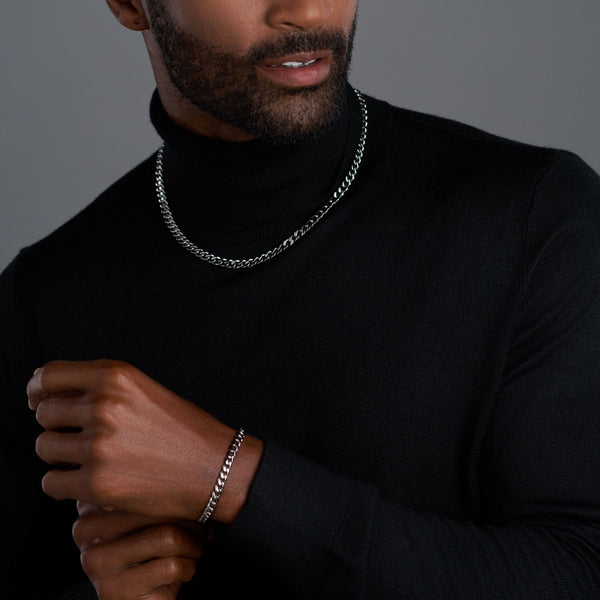
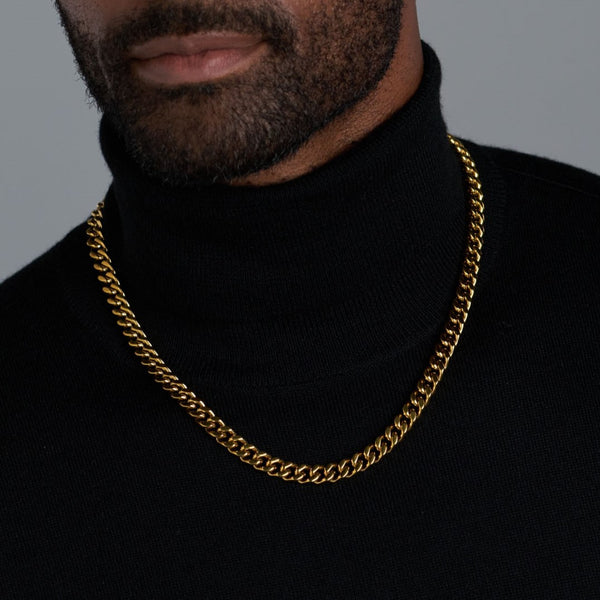
Compared with a Cuban link, a rope chain has more movement and shine. A Cuban is often the better choice for a broad, weighty, streetwear-forward look, while a rope chain gives you a more textured, versatile finish. Both can be durable when made well, but a thick Cuban can feel more structurally straightforward because of its larger links.
Compared with a box chain, a rope chain has more visual detail but requires a little more caution around snags. Box chains are known for their clean geometry and strength, while rope chains win when you want that unmistakable flash. A Franco chain is another strong contender for pendant wear because its tighter construction tends to handle weight well.
There is no single best chain. The right move depends on whether you want maximum shine, pendant-ready strength, a bold stack, or an easy everyday piece that works with everything.
A rope chain is durable enough to become a repeat-wear favorite when you buy the width and construction that fit your lifestyle. Choose a piece with real presence, treat the clasp and finish with respect, and let that signature twist do what it does best: make even a simple outfit look more expensive.