 FAST & FREE SHIPPING ON ALL ORDERS
 LIFETIME WARRANTY
 SHOP NOW, PAY LATER - ZERO INTEREST
 25% OFF - USE CODE: VIP

How to Build a Jewelry Stack That Hits
One thin chain can look clean. Three right chains look intentional. That difference is exactly why people keep asking how to build jewelry stack looks that actually land instead of feeling random. The goal is not to throw on everything you own. The goal is to create a stack that looks sharp, expensive, and put together from the first glance.
A strong stack does two jobs at once. It adds visual weight to your outfit, and it gives your look a point of view. Whether you lean toward a heavy Cuban, a bright tennis chain, a minimal rope, or a wrist full of mixed bracelets, the best stacks are built with control. Bold is good. Cluttered is not.
How to Build Jewelry Stack Looks With Balance
The easiest mistake is treating stacking like a numbers game. More pieces do not automatically mean more impact. If every chain is thick, every bracelet is iced, and every ring is oversized, your look loses shape fast. A stack works when each piece has a role.
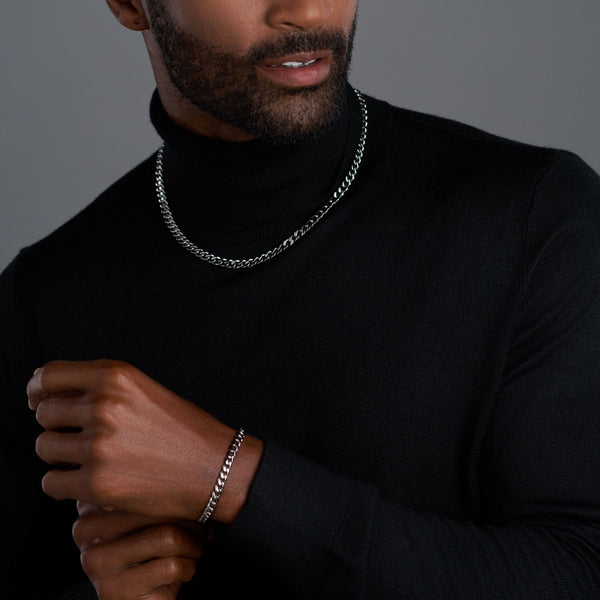
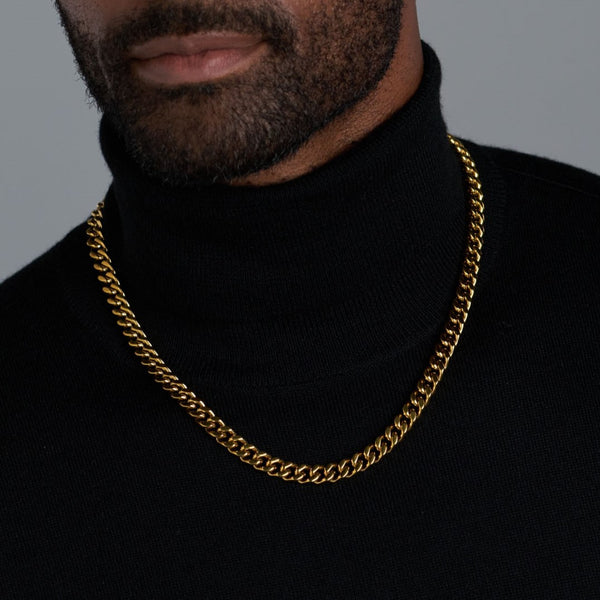
Start with one anchor piece. This is the item that sets the tone. For a neck stack, that might be a 6mm Cuban link or a tennis chain with enough shine to lead the look. For your wrist, it could be a statement watch, a bold link bracelet, or a clean cuff. Once the anchor is set, build around it with support pieces that add contrast.
Contrast matters more than people think. A thick Cuban next to a thinner rope chain creates dimension. A polished bracelet beside a stone-set piece keeps the wrist from looking flat. Even the difference between a close-fitting chain and a slightly longer pendant can make the whole stack read cleaner. If everything matches too perfectly, it can start to look pre-packed. If nothing connects, it looks accidental. You want the middle ground - coordinated, not stiff.
Pick a lane before you pile it on
Before you choose lengths, widths, or finishes, decide what kind of energy you want the stack to carry. Clean and elevated is different from iced and high-flash. Streetwear-inspired layers are different from a sleek night-out set. That decision helps you edit faster.
If your style is subtle, stay tighter on widths and let texture do the work. Rope, box, and slim tennis styles layer well without getting too loud. If you want more presence, use chunkier links and stronger shine, but leave some breathing room between pieces so the stack still looks deliberate.
Build the neck stack first
Necklaces usually set the tone for the entire jewelry look, so they are the best place to start. Most strong neck stacks use two to four pieces. One can look minimal by design. Five or six can work, but only if you know exactly how each chain is contributing.
Length is what separates a real stack from a tangled mess. Keep enough difference between each chain so you can actually see them. If two necklaces hit at nearly the same point and have similar width, they compete instead of layer. A common move is pairing a shorter base chain with a mid-length statement style, then adding a pendant or longer chain to finish the line.
Width should taper or contrast on purpose. You can go thick to thin, thin to thick, or mix evenly if the textures are distinct enough. A Cuban with a tennis chain works because the surfaces reflect light differently. A rope chain with a pendant works because the silhouette changes. That is what gives the stack movement.
Best chain combinations for easier wins
Some combinations are just easier to pull off. A Cuban and rope stack is a classic because it mixes structure with texture. A tennis chain layered with a plain link adds shine without making the whole look too formal. A pendant over a shorter base chain gives you a focal point and breaks up the pattern.
If you are newer to stacking, keep your metal tone consistent first. Gold with gold or silver with silver will always be the easier path. Mixed metals can look strong, but they require more confidence and a better eye for balance. When the shapes are already bold, one metal tone keeps the look cleaner.
How to build jewelry stack combinations on your wrist
A wrist stack should look like it belongs together even if the pieces are different. The fastest way to get there is to choose a hero piece and then support it with slimmer styles. If your watch is doing most of the visual work, keep the bracelets tighter and cleaner. If your bracelet stack is the focus, your watch should not fight for attention.
Fit matters even more on the wrist than it does on the neck. Bracelets that are too loose slide into each other and kill the shape. Pieces that are too tight make the stack feel forced. You want a little movement, but not so much that everything bunches at one side of your wrist.
Texture does a lot of work here. A smooth bangle, a link bracelet, and a tennis bracelet can sit together because each one catches light differently. If you stack three link bracelets with almost the same width and finish, the look can flatten out. Variety gives the stack more edge.
Watch or no watch
There is no rule that says every wrist stack needs a watch. If you are wearing one, make sure the bracelets complement it instead of crowding it. A bigger watch pairs best with one or two bracelets on the same wrist or a fuller stack on the opposite wrist. If the watch is slim and refined, you have more room to build around it.
No watch gives you more freedom to go bolder with bracelet width and layering. This is where mixed textures and statement finishes can really stand out.
Rings and earrings should support the stack
Rings are where a lot of people overdo it. A strong ring setup looks considered, not overloaded. Spread the weight across both hands instead of stacking every heavy ring on one side. If your neck and wrist are already bold, keep your rings more selective. One signet and one stone ring may hit harder than four similar bands.
Earrings work the same way. Studs, small hoops, or a clean iced pair can sharpen the full look without competing with your chains. If you are already wearing bright stones on your neck and wrist, a simpler earring often looks better. If the rest of your jewelry is clean metal, a more eye-catching earring can bring the whole setup forward.
Match the stack to the outfit
This is where good stacks become great ones. Jewelry does not live on its own. A stack should work with the neckline, the colors, the fabrics, and the setting.
A crew neck tee can handle layered chains because the top of the shirt frames them. An open collar gives pendants and longer chains more room. Heavier outerwear can support bolder pieces because the outfit has enough structure to carry them. A lightweight shirt with a huge stack can work, but only if you want the jewelry to be the entire statement.
The same logic applies to the occasion. Everyday stacks should be easier to wear and less high-maintenance. Night-out stacks can push brighter stones, thicker links, and more visible shine. Gifts and matching sets also make this easier because the guesswork is reduced. That is part of why curated combinations keep selling - they remove bad pairings before they happen.
Common stacking mistakes to avoid
The biggest mistake is wearing pieces that all demand top billing. The second is ignoring proportion. A stack should make sense on your frame, your outfit, and your wrist or neckline. Someone with a smaller frame can still wear bold jewelry, but the balance point may be different than it is for someone who naturally carries wider chains and heavier bracelets.
Another miss is chasing trends without thinking about wearability. An iced stack looks strong in photos, but if it does not fit your day-to-day style, it will sit in the box. Build around the pieces you know you will actually wear, then add one high-impact item to level it up.
And do not ignore finish quality. Even the best stack idea falls apart if the pieces look dull, flimsy, or mismatched in tone. Clean shine, clear design contrast, and solid fit make an affordable stack look elevated.
The fastest way to get it right
If you want the stack to look polished without trial and error, start with pre-matched styles and build from there. A coordinated chain and bracelet pairing, a matching metal tone, or a best-selling set can give you the base. Then add one personal piece - a pendant, a watch, or a ring that changes the feel.
That approach keeps the stack easy to wear while still making it yours. It is also the smart move if you want impact without spending luxury money to figure it out. Brands like Imperium understand that the real win is not owning more jewelry. It is owning the right combination.
A good stack should make getting dressed easier, not harder. If the pieces work together, the whole look comes up fast - clean, confident, and ready for wherever you wear it next.